

Dec15
 India
India

Sit at the intersection of the two fastest-growing fields — AI and robotics. Learn computer vision, deep learning and autonomy through live mentorship and an optional hands-on 5-day robotics lab at TIH, IIT Palakkad.
IndiaStarts 15 Dec 2026 UAEStarts 22 Dec 2026
 SingaporeStarts 22 Dec 2026
Same curriculum, same mentors, same optional five-day lab at TIH, IIT Palakkad — three regional cohorts so the live sessions land in your evening.
India
UAE
Singapore
Science graduates from any domain, selected on merit. Four steps from application to seat — with a full refund window if it turns out not to be for you.
Your degree does not have to be in robotics, or even in computer science. Science graduates from any branch are eligible.
Currently pursuing or already completed — both count. Final-year students are welcome to apply.
Built for freshers and early-career professionals. Module 01 starts at Python and the maths you actually need.
No chasing, no pressure. You apply, you talk to us once, and then you decide.
Pick your course and the cohort for your region, and pay a small application fee to start your application.
Submit your details: what you’ve studied, what you do today and what you want from the course. A person in admissions reads every answer.
A 30-minute call at a time you book — fit, workload, outcomes and financing, and whether this cohort is right for you.
Confirm your seat — only 30 per batch, so this is where they get allocated — and pay in full or on EMI / instalments for your region. Your refund window starts with the batch.
15-day refund window. If you feel this course is not for you, the full fee is refunded within the first 15 days of the batch commencing.
No spam. Ever. No cold calls, emails or WhatsApp from us. We speak only when you book a call with admissions.
Generic Data Science is being automated and taught everywhere. What stays scarce is depth in a hard vertical — and robotics is the hardest, fastest-growing one of them all.
Model training, dashboards and notebook analytics are now table stakes — increasingly automated and taught in every bootcamp. Competing on general AI skills means competing with everyone.
Commodity skills, commodity outcomesRobotics and autonomous vehicles need engineers who understand perception, control and real-world physics — not just clean datasets. Models that work on a benchmark still fail on a factory floor.
Depth is scarce — and scarcity is leverageRobotics, autonomous vehicles, drone technology and healthcare imaging all need people fluent in both the AI and the physical system it drives. Neither skill alone gets you in the room.
Four verticals, one skill setRobots are moving out of labs into warehouses, roads, farms and hospitals. Every one of those deployments needs someone who can make perception work in the messy real world.
A decade-long hiring curve, just startingA model that only ever runs in a notebook is a demo. The moment it has to see a real room, judge a real distance and move a real machine, it becomes engineering — and that is the work the next decade is hiring for.
Why we built this program
Build depth for the fastest-growing industries and domains — with the AI-plus-physical-systems skill set each of these specialised roles demands.
Build the machine's eyes — detection, segmentation, depth and tracking that hold up in changing light and motion.
Push the frontier — motion planning, SLAM and learned control for machines that must act, not just predict.
Take models out of notebooks and into machines — pipelines, deployment and monitoring that survive the field.
Design and train the models themselves — architecture choices, data strategy and the optimisation that makes them fit on a robot.
The industry and innovation network around TIH at IIT Palakkad — connecting learners to the wider robotics ecosystem.






Specialists compound. As the vertical grows, the people who understood it early end up owning the systems everyone else builds on.
Build and ship defined parts of a perception, autonomy or deployment pipeline.
Execute with guidanceLead perception, localisation or control end to end and guide the technical approach.
Lead technical decisionsSet system direction, architecture and the decisions that shape an entire autonomy platform.
Define platform directionIndicative progression based on how these roles are structured across the industry. Actual titles, pace and scope vary by company, country and individual performance.
The same production-first standard our alumni experienced now extends into physical AI — with online depth followed by optional scheduled access to a real robotics lab.
I went from tutorial-hell to shipping a production AI feature in a real cohort, on a real timeline.
That is the standard behind this Robotics specialisation: models leave the notebook, meet real constraints, and are tested during an optional five-day physical lab experience at TIH, IIT Palakkad.
A technology innovation hub is where research meets real hardware. Partnering with one means this program is shaped by people building robotics systems, not just teaching them.
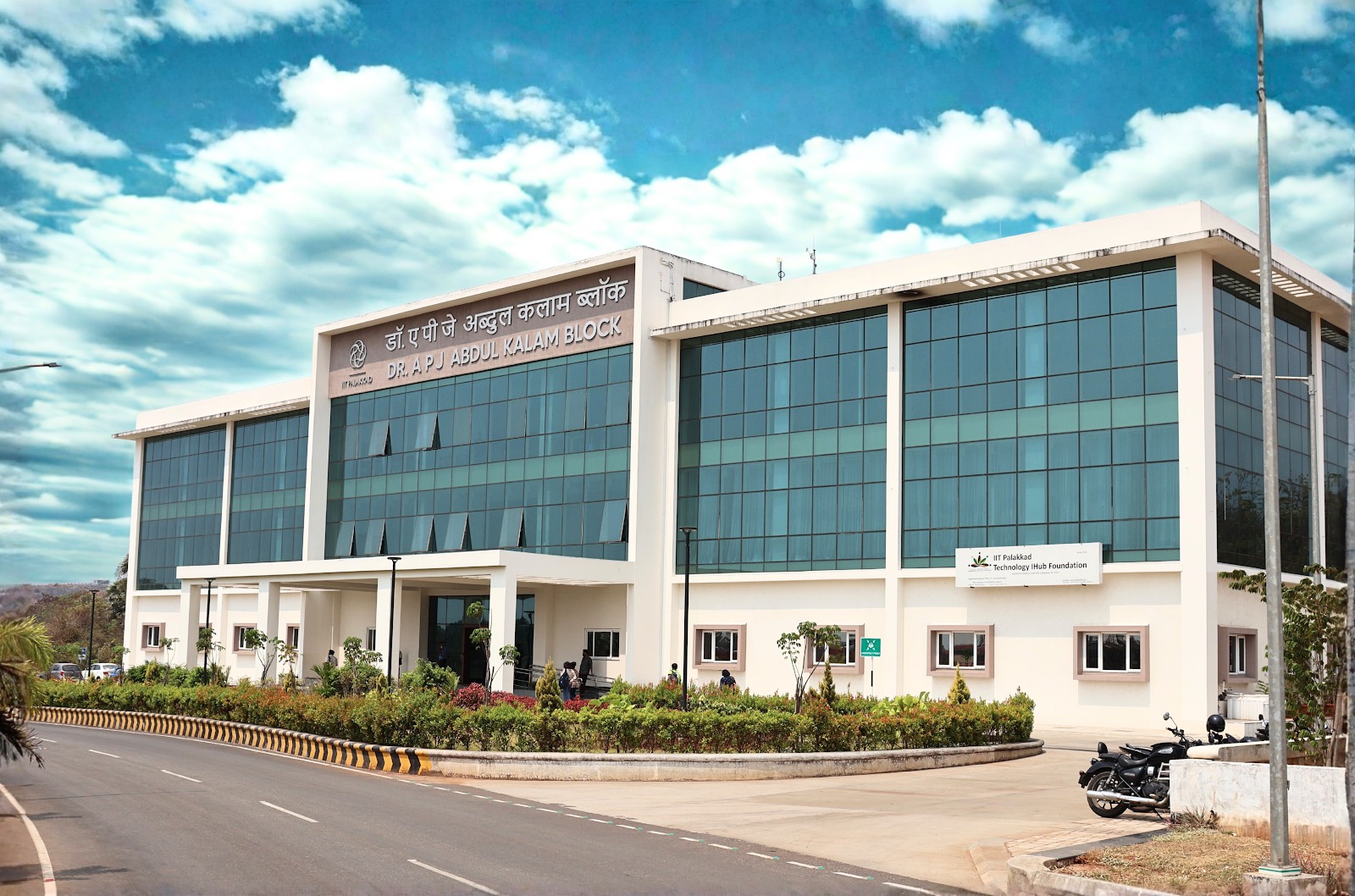
This is the building your optional lab week happens in — an IIT-anchored innovation hub with working robotics, fabrication and motion-capture facilities.
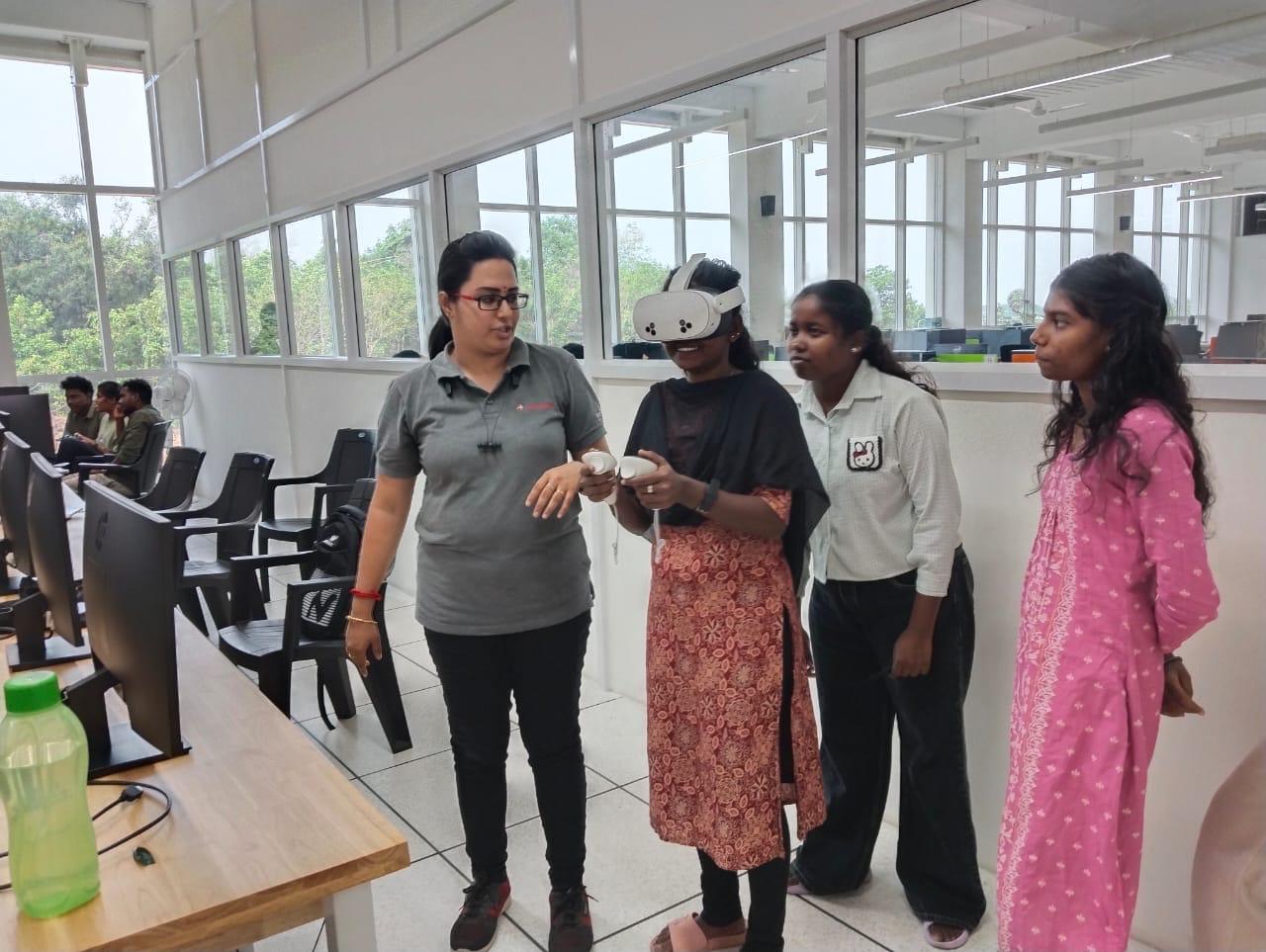
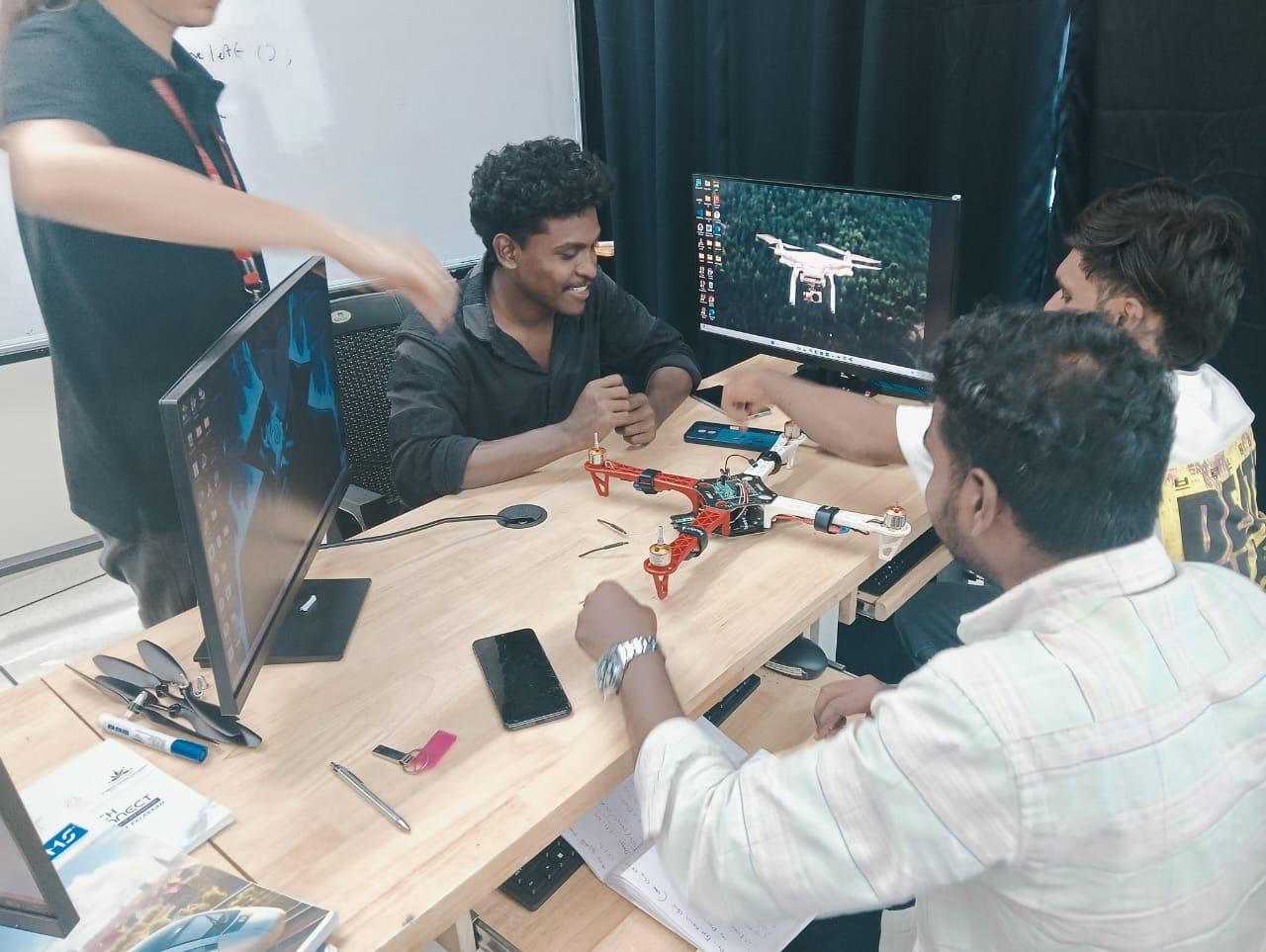
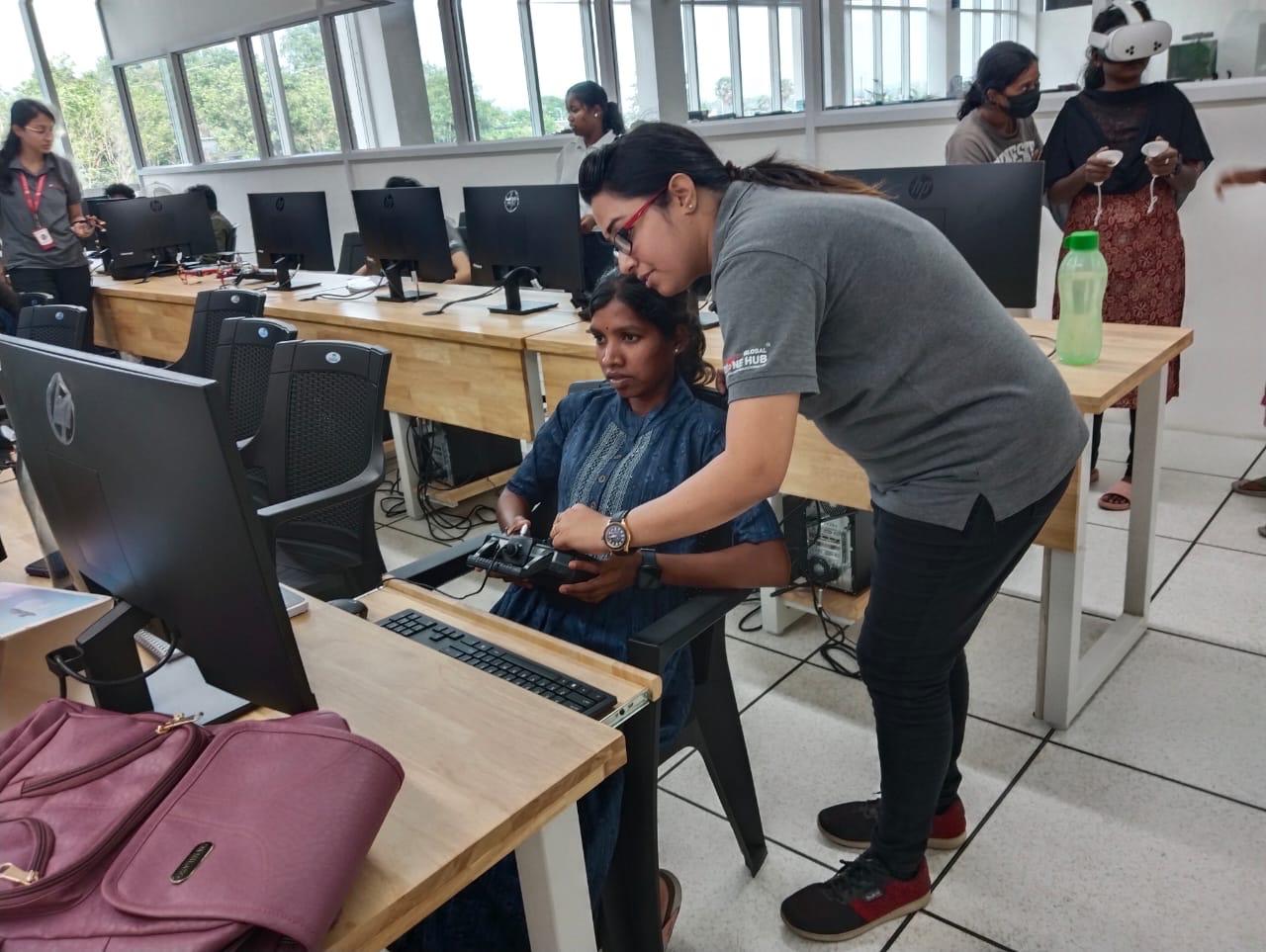
Five optional days on campus working with actual robots — sensors that drift, motors that overshoot, and all the messiness a simulator hides from you.
What you learn tracks what the hub's researchers and its industry partners are actually working on, so the syllabus moves as the field does.
The hub sits at the centre of a network of startups, incubators, funds and industry partners — the people who hire, fund and build in this space.
You finish with a credential tied to an IIT-anchored innovation hub — recognisable to exactly the hiring managers you want to reach.
A verifiable Certificate of Completion issued in collaboration with the IIT Palakkad Technology IHub Foundation for Artificial Intelligence with Specialization in Robotics.

One program, three regional cohorts timed to your evening. Pricing is set locally, and every region has a financing option.
Application fee, paid when you apply.The program fee is due only once your seat is confirmed.
Incl. GST · EMI starts at ₹4,500/month
No-cost EMI available through partner lenders. Full fee refunded within the first 15 days of the batch if the program isn't for you.
Application fee, paid when you apply.The program fee is due only once your seat is confirmed.
Instalments available
Split the fee across the program duration. Full fee refunded within the first 15 days of the batch if the program isn't for you.
Application fee, paid when you apply.The program fee is due only once your seat is confirmed.
Flexible payment plans
Choose a plan that fits your timeline. Full fee refunded within the first 15 days of the batch if the program isn't for you.
Six modules that build on each other — maths and Python at the base, perception and deep learning in the middle, an optional physical robotics lab plus deployment at the top.
This is not a general data science course with a robotics chapter bolted on. Everything — the intake, the batch size, the optional lab week — is dedicated to AI applied to robotics.
Seats are given on your application and a call with our admissions team — not first-come, first-served. Your cohort is people who earned their seat.
Intake is deliberately capped in proportion to what our direct hiring partners actually need — so we are not flooding a market we then cannot place you into.
One cohort, one starting point. The pace, the projects and the placement support are all tuned for people entering the field — not a mixed room.
On campus at TIH, IIT Palakkad, with real robots. The week where simulation stops being enough and you learn what actually breaks.
A recurring session with a practitioner from companies like Google, Meta and Netflix — someone who reviews your actual work, every week.
You graduate into a community spanning India, UAE and Singapore — three markets hiring for the same scarce skill set.
An optional five days at TIH, IIT Palakkad with real hardware, real mentors and your cohort in the room. Drones you assemble yourself, machines you print, rigs you calibrate — the work simulation cannot teach you.
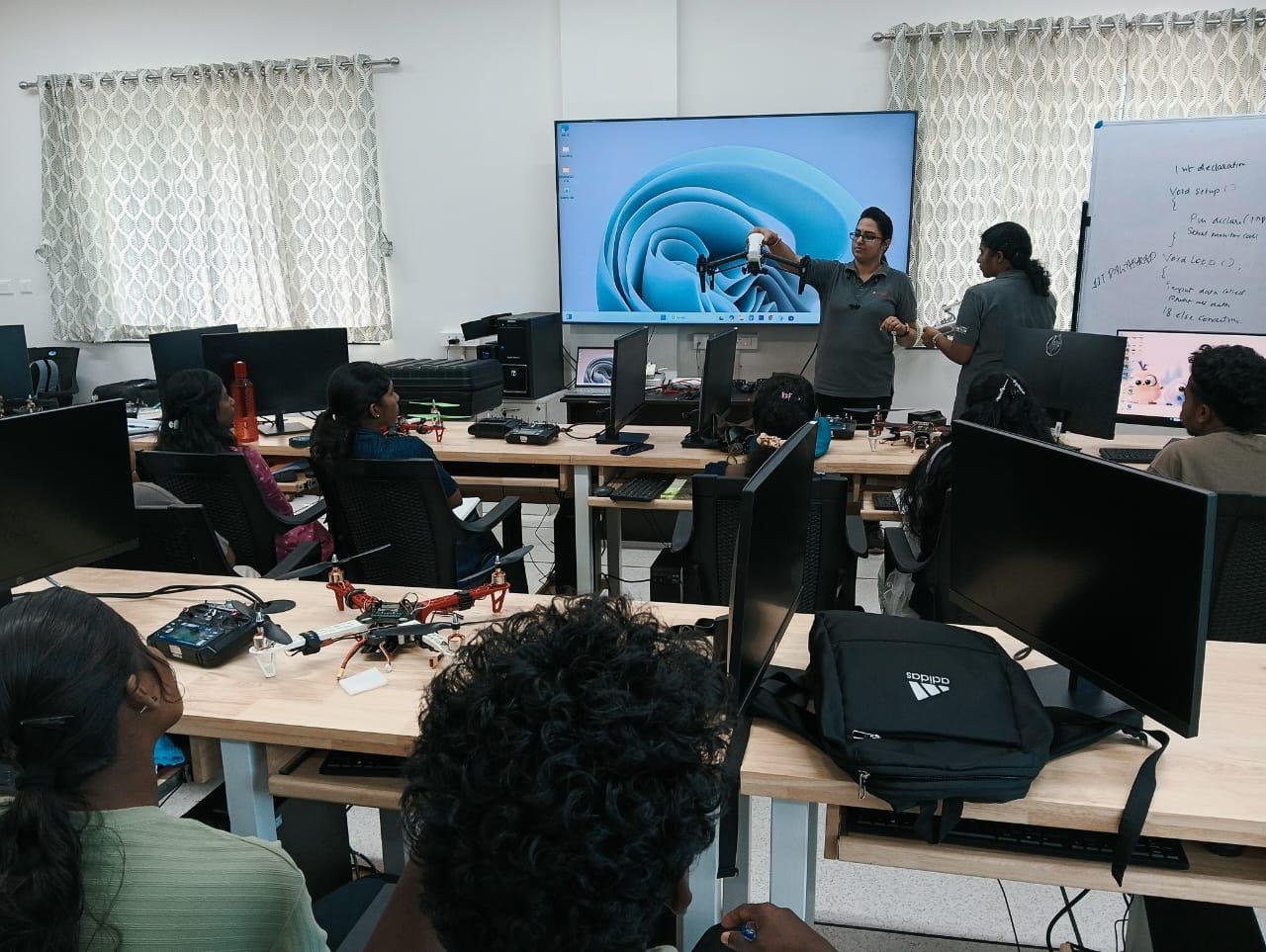
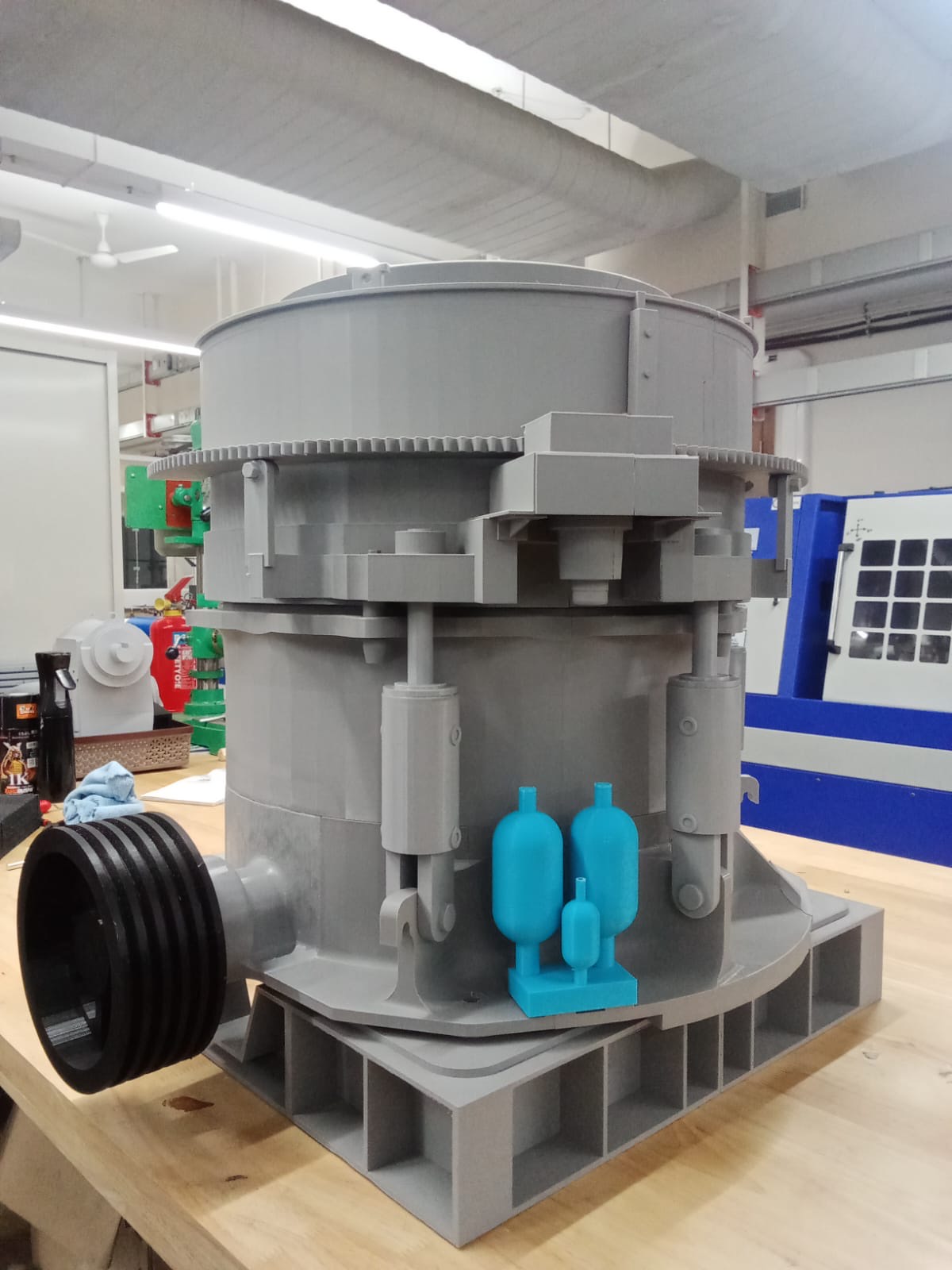 Fabrication Lab
3D printing and CNC — parts you design, then hold
Fabrication Lab
3D printing and CNC — parts you design, then hold
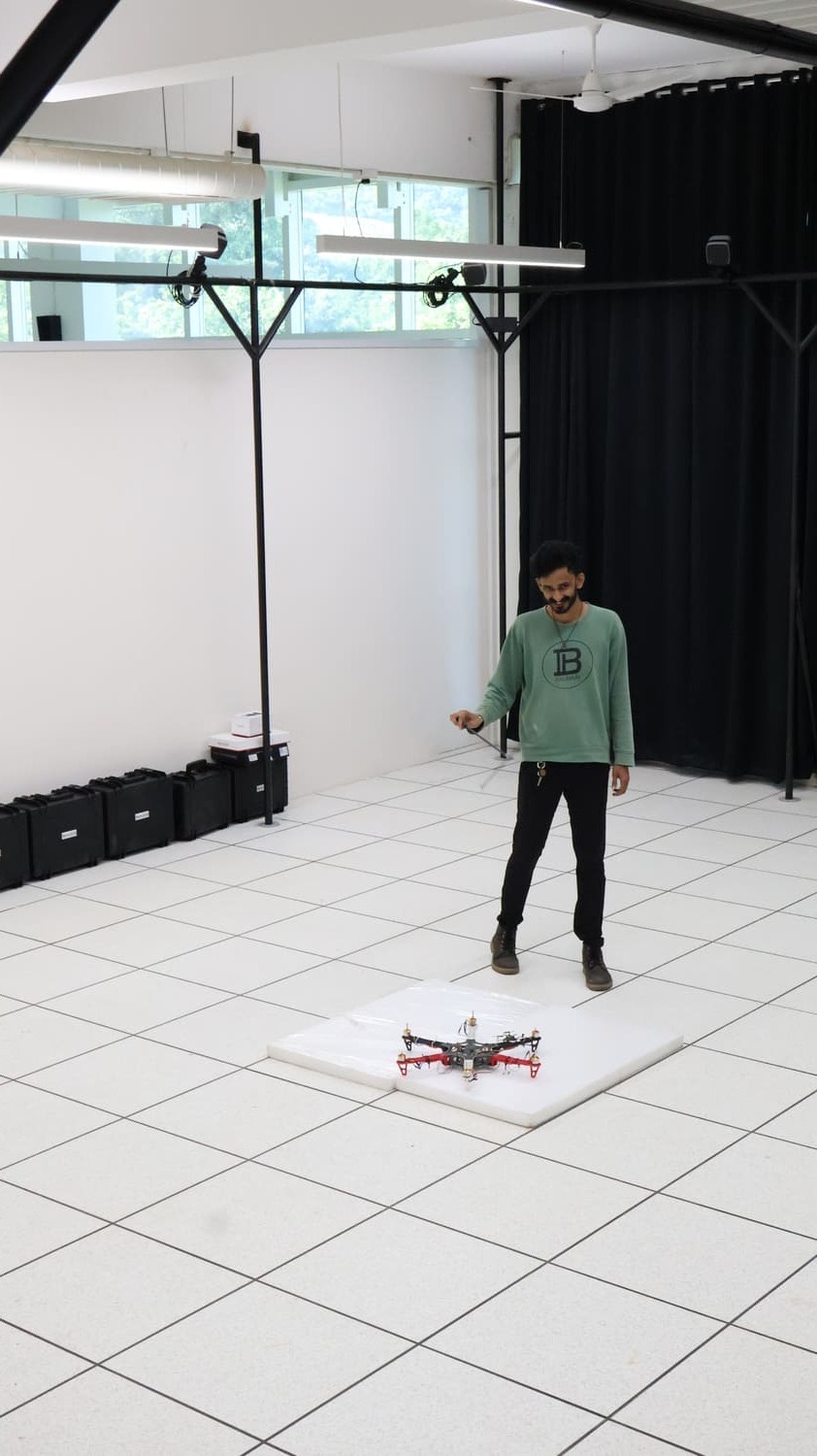 Motion Capture Lab
Ground-truth data for perception
Motion Capture Lab
Ground-truth data for perception
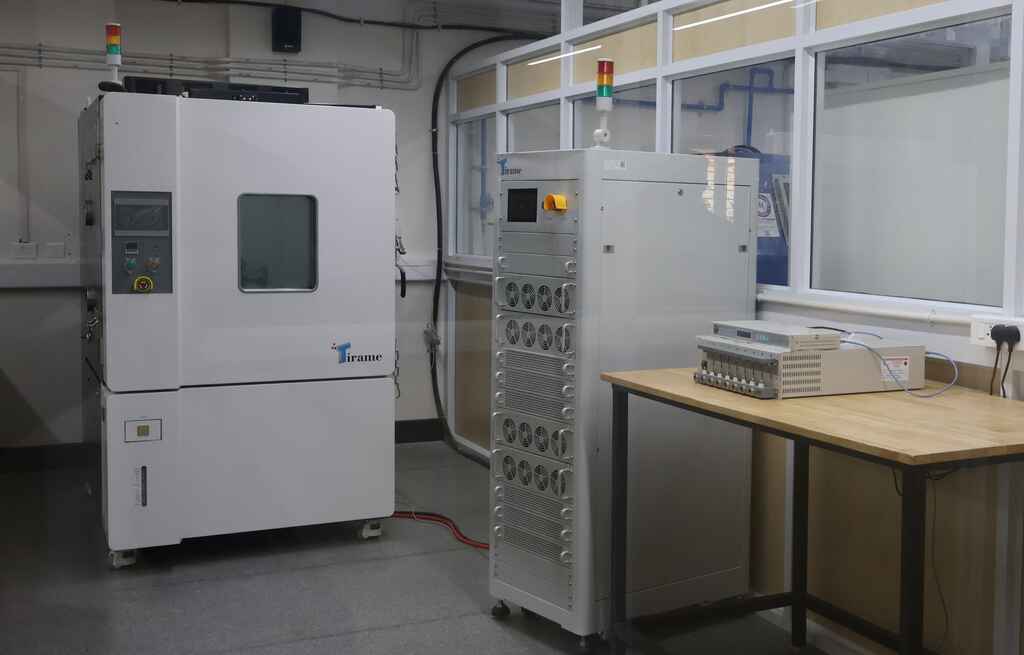 Battery Testing Lab
Power budgets that decide range
Battery Testing Lab
Power budgets that decide range
Four projects that become your portfolio — each one shaped like a problem a real team would hand you in your first year on the job.
Take raw, imperfect data through cleaning, feature engineering, training and evaluation into a pipeline that can be re-run and trusted — the workflow every ML role is built on.
Detect, classify and track vehicles from live video, then turn that into flow metrics. Vision under real conditions — occlusion, weather, changing light and a camera that never sits still.
Work with transformer models to condense long documents without losing meaning — and build the evaluation that tells you honestly whether the summary is any good.
Turn spoken instructions into robot actions — speech to intent to motion — and see what happens when a language model has to drive something physical that can actually get it wrong.
The programme is run with the team at IIT Palakkad Technology iHub Foundation — the people behind the lab you build in, and the credential you leave with.


Too much to read through? Take a break. Here’s a fun game section for you. Catch the skills that keep you moving, dodge the setbacks that stall you, and see how far you get.
Merit-based admission, 30 seats, and a full refund window if it is not for you. Apply, talk to our admissions team, and find out where you stand.